

Aluminum Profile CNC Machining: A Complete Guide to Precision Aluminum Component
Introduction
Aluminum profiles are widely used in telecommunications, industrial automation, transportation, energy storage systems, and architectural applications. While aluminum extrusion provides an efficient way to create complex cross-sectional shapes, many projects require additional CNC machining to achieve precise dimensions, mounting features, and assembly requirements.
This guide explains how aluminum profile CNC machining works, its advantages, common applications, and how to choose the right manufacturing partner for your project.
What Is Aluminum Profile CNC Machining?
Aluminum profile CNC machining is the process of using computer-controlled equipment to perform precision operations on extruded aluminum profiles.
After extrusion, CNC machines can create:
Precision holes
Slots and pockets
Mounting surfaces
Threaded holes
Complex contours
Assembly features
The combination of extrusion and CNC machining allows manufacturers to produce lightweight yet highly functional aluminum components with excellent dimensional accuracy.
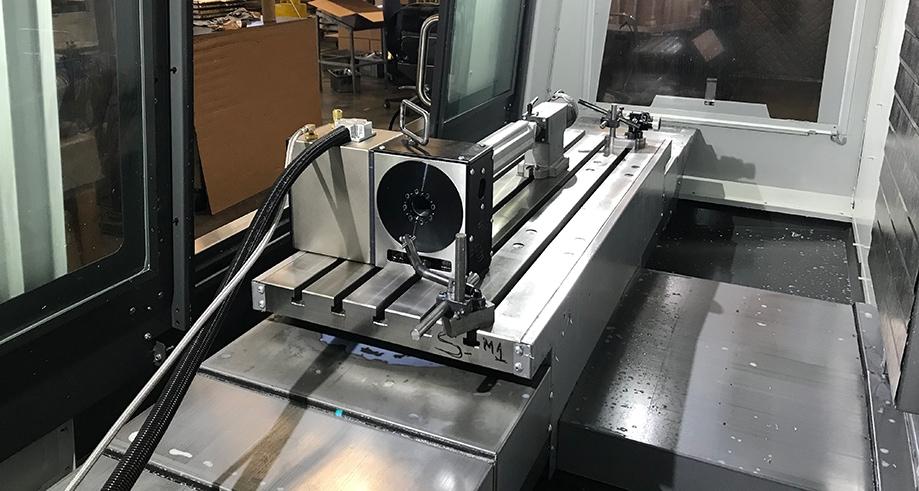
How Does Aluminum Profile CNC Machining Work?
The manufacturing process typically includes several stages:
Step 1: Aluminum Extrusion
The aluminum billet is heated and forced through a die to create the desired profile shape.
Step 2: Cutting
Profiles are cut into specified lengths according to project requirements.
Step 3: CNC Machining
CNC machining centers perform:
Milling
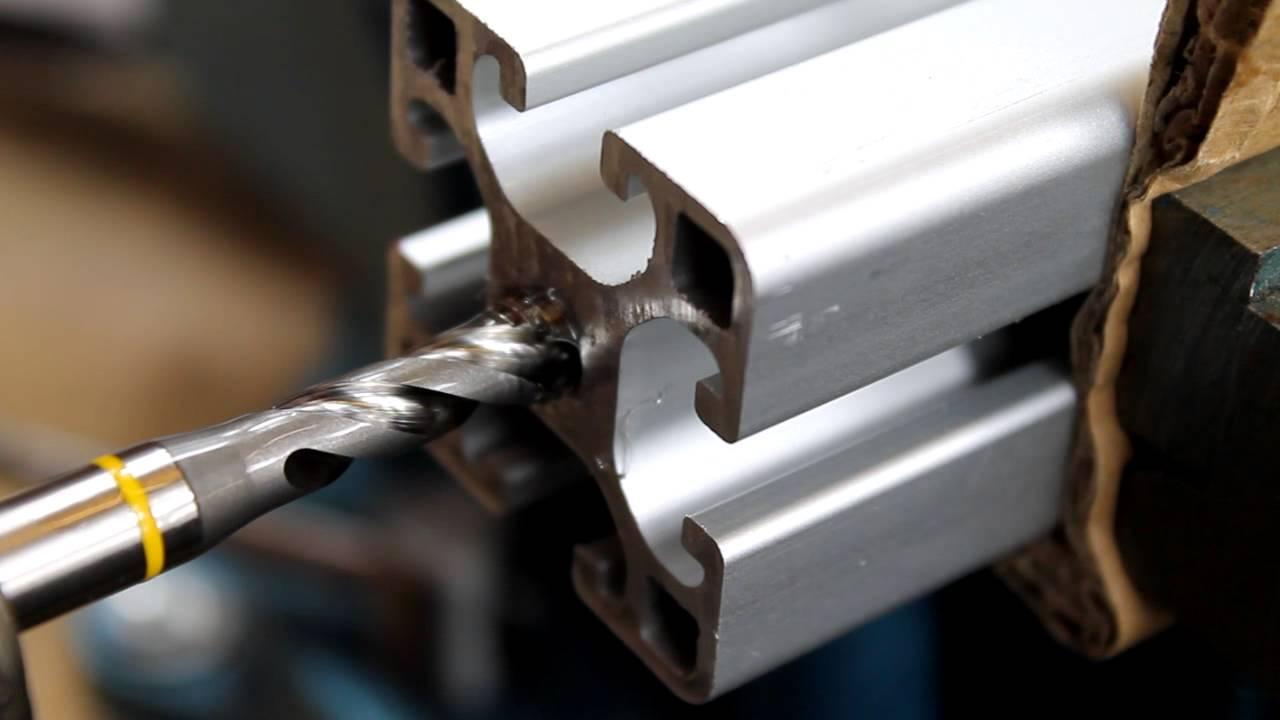
Drilling
Tapping
Routing
Pocket machining
These operations transform standard profiles into ready-to-assemble components.
Step 4: Surface Finishing
Common finishes include:
Anodizing
Powder coating
Sand blasting
Brushing
Electrophoresis
Surface treatment improves corrosion resistance and appearance.
Step 5: Inspection and Packaging
Final dimensional inspection ensures every component meets customer specifications before shipment.
Advantages of Aluminum Profile CNC Machining
High Precision
Modern CNC machining centers can achieve tight tolerances required for industrial and electronic applications.
Excellent Repeatability
Computer-controlled production ensures consistency across thousands of parts.
Lightweight Structure
Aluminum offers an excellent strength-to-weight ratio, making it ideal for transportation and equipment manufacturing.
Flexible Customization
Designers can easily integrate holes, slots, grooves, and assembly features without redesigning the extrusion profile.
Cost Efficiency
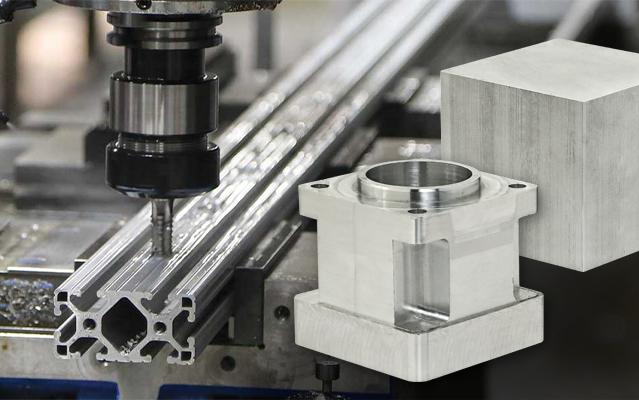
Combining extrusion with CNC machining reduces material waste and lowers manufacturing costs compared with machining from solid aluminum blocks.
Common Aluminum Alloys for CNC Machining
6061 Aluminum
Excellent machinability
Good strength
Ideal for structural applications
6063 Aluminum
Superior surface finish
Widely used for architectural and industrial profiles
6082 Aluminum
Higher mechanical strength
Suitable for heavy-duty applications
5052 Aluminum
Excellent corrosion resistance
Common in electrical and marine environments
Typical Applications
Telecommunications Equipment
Wide aluminum panels and precision-machined profiles are commonly used in:
Outdoor telecom cabinets
5G base station enclosures
Power distribution systems
Industrial Automation
CNC-machined aluminum profiles are widely used in:
Machine frames
Conveyor systems
Automation equipment
Energy Storage Systems
Applications include:
Battery pack housings
Energy storage cabinets
Cooling structures
Transportation
Aluminum components help reduce weight in:
Rail transit
Commercial vehicles
Aerospace support equipment
Design Tips for Better CNC Machining Results
To reduce cost and improve manufacturability:
Avoid unnecessary deep pockets
Standardize hole sizes whenever possible
Maintain reasonable wall thickness
Design profiles for easy fixturing
Consider anodizing requirements during design
Early collaboration with your machining supplier can significantly improve production efficiency.
Why Choose Custom Aluminum Profile CNC Machining?
Custom machining allows engineers to transform standard extrusions into application-specific components without investing in expensive tooling for every design revision.
This approach provides:
Faster development cycles
Lower tooling costs
Greater design flexibility
Consistent product quality
For OEM and industrial projects, aluminum profile CNC machining remains one of the most efficient manufacturing solutions available.
Frequently Asked Questions
What tolerance can aluminum profile CNC machining achieve?
Typical tolerances range from ±0.05 mm to ±0.10 mm depending on part geometry and machining requirements.
Can anodized aluminum profiles be CNC machined?
Yes. Profiles can be machined before anodizing, which is the preferred process for maintaining surface consistency.
Which aluminum alloy is best for CNC machining?
6061 aluminum is generally considered the best balance of machinability, strength, and cost.
Is CNC machining suitable for large aluminum profiles?
Yes. Modern machining centers can process long and large-section aluminum profiles used in telecom, transportation, and industrial equipment.
Get Custom Aluminum Profile CNC Solutions
Whether you need precision-machined telecom components, industrial framework parts, or customized aluminum assemblies, our engineering team can provide extrusion, CNC machining, surface treatment, and quality inspection services tailored to your project.
Contact us today for technical support and a fast quotation.