As telecom infrastructure and modular shelter systems continue evolving toward lightweight and integrated structures, aluminum materials are becoming increasingly important in communication equipment manufacturing.
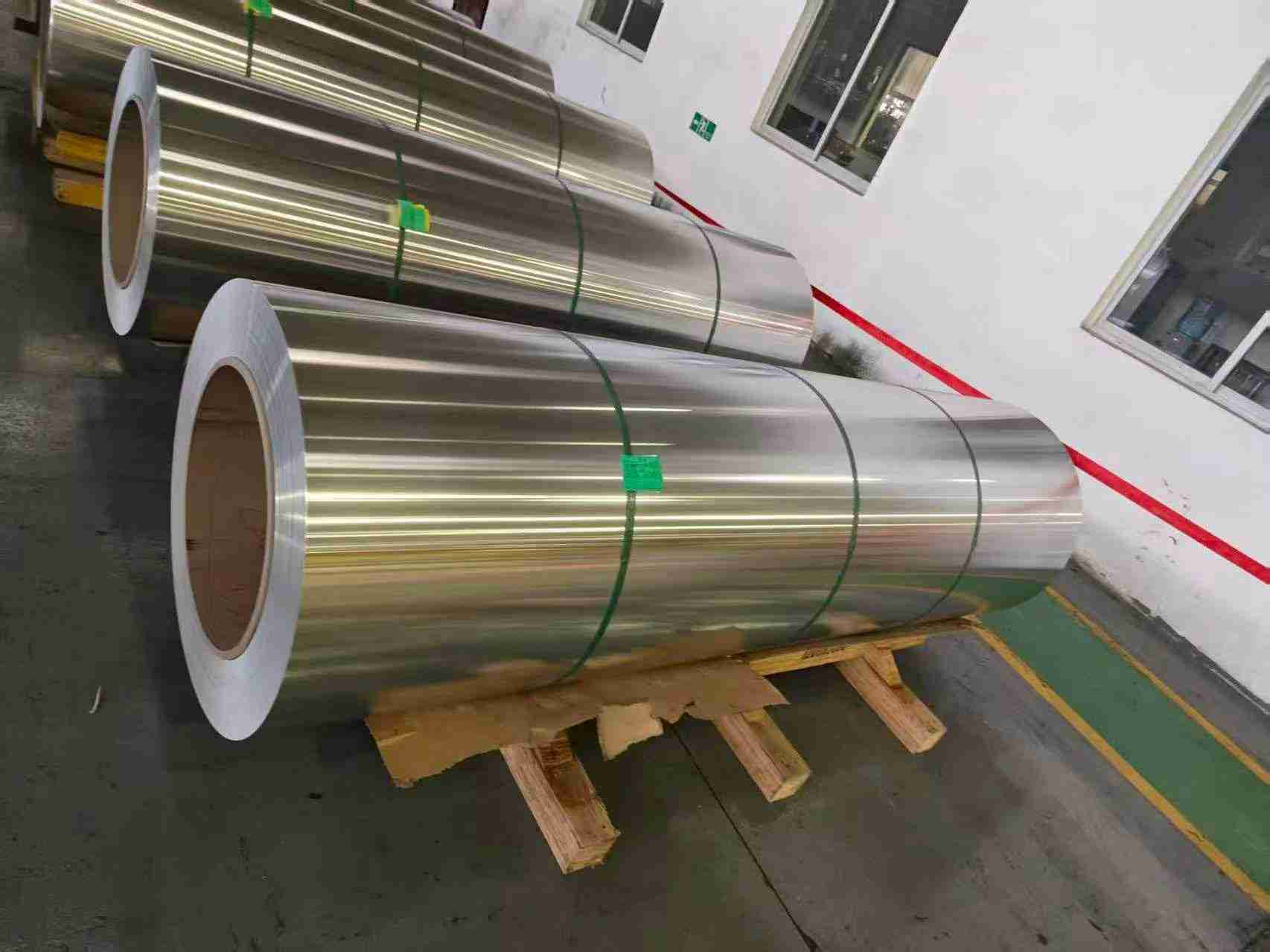
In many telecom shelter and field communication projects, wide-width 3003 Aluminum Coil is widely used for wall panels, roof structures, equipment enclosures, and integrated panel systems where stability, corrosion resistance, and surface consistency are critical.
Compared with traditional steel structures, 3003 aluminum alloy offers a better balance between weight reduction, forming performance, and long-term outdoor durability.
Why 3003 Aluminum Is Used in Telecom Shelter Systems
For modular telecom shelters and outdoor communication systems, materials must perform reliably under demanding environmental conditions.
Many shelter manufacturers today focus on:
These requirements make 3003 aluminum alloy a practical solution for communication equipment structures and shelter panel systems.
3003 aluminum provides:
good corrosion resistance for outdoor environments
stable forming performance for large panels
lower structural weight
clean surface appearance
good compatibility with coating and insulation systems
In communication shelters, reducing structural weight can improve transportation efficiency and simplify field installation, especially for modular or deployable systems.
Wide Aluminum Coils Help Reduce Panel Joints
One trend in telecom shelter manufacturing is the use of larger integrated wall and roof panels.
Compared with smaller sheets, wide aluminum coils help reduce welding lines and panel joints, improving both assembly efficiency and overall appearance.
For many communication shelter projects, wide-width coils between 2100mm and 2500mm are increasingly used in:
This is especially important in projects requiring clean panel alignment and stable structural integration.
Surface Stability Is One of the Biggest Challenges for Wide Coils
For extra-wide aluminum coils, maintaining stable flatness and surface quality is often more difficult than standard-width material.
As width increases, the material becomes more sensitive during rolling and tension control processes.
In telecom shelter applications, surface consistency matters because many panels are directly visible after assembly or used with laminated and coated systems.
Poor flatness or surface instability can directly affect:
Because of this, many shelter manufacturers pay close attention not only to alloy selection, but also to wide-coil production stability.
Typical Material Specifications for Telecom Equipment
Wide 3003 aluminum coils used in communication shelter systems are commonly supplied in:
| Alloy | Temper | Thickness | Width |
|---|
| 3003 | H14 | 1.2mm – 1.4mm | 2100mm – 2500mm |
| 3003 | H16 | 1.2mm – 1.4mm | 2100mm – 2500mm |
These materials are often processed into large integrated panels requiring stable forming performance and consistent surface quality.
Aluminum Materials Continue Supporting Modern Telecom Infrastructure
As telecom networks, mobile communication systems, and modular shelter solutions continue expanding globally, lightweight and durable materials are becoming increasingly important.
Wide-width 3003 aluminum coils provide an effective solution for manufacturers seeking:
improved panel integration
lower structural weight
reliable outdoor performance
stable fabrication efficiency
With the growing demand for modular communication shelters and mission-critical field systems, the application potential of wide aluminum materials is expected to continue growing in the telecom industry.