
Why Slit Aluminum Coil Is Used Across Multiple Industries ?
Slit Aluminum Coil Applications: Why This Material Is Used Across Multiple Industries
What Is Slit Aluminum Coil?
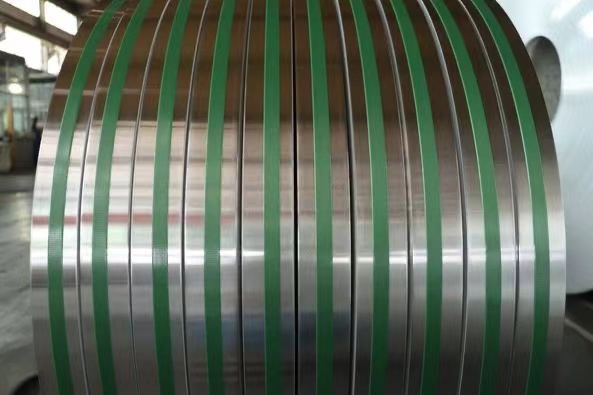
Slit aluminum coil, also known as aluminum strip or narrow aluminum coil, is produced by cutting wide aluminum coils into narrower widths according to specific production requirements.
Compared with standard aluminum sheets or wide coils, slit aluminum coils offer more flexibility for continuous manufacturing processes. They are commonly used in applications that require consistent width, stable quality, and efficient processing, such as stamping, forming, winding, and assembly.
Because aluminum combines lightweight properties, corrosion resistance, good electrical and thermal conductivity, and easy processing characteristics, slit aluminum coils have become an important material used across many industries.
Why Choose Slit Aluminum Coil?
The popularity of slit aluminum coil comes from its balance between performance and manufacturing efficiency.
Lightweight and Corrosion Resistant
Aluminum has a lower density compared with many traditional metals, making it suitable for industries where weight reduction is important. Its natural oxide layer also provides good corrosion resistance for many applications.
Easy to Process
Slit aluminum coils can be easily formed, stamped, bent, welded, or machined depending on the alloy and application requirements.
This makes them suitable for high-volume manufacturing where consistent material performance is required.
Good Electrical and Thermal Conductivity
Certain aluminum alloys provide excellent conductivity, making them widely used in electrical components, heat dissipation systems, and energy-related applications.
Main Applications of Slit Aluminum Coil
1. Construction and Architectural Applications
Construction remains one of the largest application areas for slit aluminum coil.
Narrow aluminum strips are commonly used for:
Curtain wall systems
Ceiling panels
Decorative aluminum panels
Roofing materials
Door and window components
Signage and lighting structures
Common alloys:
1060, 3003
These alloys are often selected because of their good corrosion resistance, formability, and cost efficiency.
2. Automotive and Electric Vehicle Applications
The automotive industry is increasing its use of aluminum to reduce vehicle weight and improve energy efficiency.
Slit aluminum coils are used in:
Battery pack components
Heat shields
Heat exchanger systems
Interior decorative parts
Lightweight structural components
For electric vehicles, aluminum materials are especially important in battery-related applications, where weight reduction and corrosion resistance are key considerations.
Common alloys:
5052, 6061
These alloys provide higher strength while maintaining good processing performance.
3. Electronics and Electrical Applications
Many electronic products require materials with stable dimensions and good thermal performance.
Slit aluminum coils are used for:
Transformer and reactor aluminum strips
Heat sinks and cooling components
LED components
Electrical housings
Conductive parts
Common alloys:
1060, 3003
Their good conductivity and forming properties make them suitable for precision manufacturing.
4. Packaging and Consumer Products
Aluminum strip materials are also widely used in daily products.
Typical applications include:
Can ends
Bottle caps
Aluminum containers
Cosmetic packaging
Decorative metal parts
Common alloys:
8011, 1060
These materials are selected for their lightweight properties and excellent forming performance.
5. Industrial and Energy Applications
In industrial environments, aluminum is often chosen for its corrosion resistance and long service life.
Applications include:
HVAC heat exchangers
Pipe insulation covers
Solar panel components
Equipment housings
Industrial structures
Common alloys:
3003, 5052
These alloys offer a good balance between strength, corrosion resistance, and processing performance.
6. Aerospace and Special Applications
Although aerospace applications require smaller volumes, the requirements for aluminum materials are much higher.
Slit aluminum coils may be used in:
Aircraft interior components
Lightweight structural parts
Marine applications
Special equipment structures
Common alloys:
6061, 7075, 5083
These materials are chosen when higher strength and durability are required.
How to Choose the Right Slit Aluminum Coil?
Selecting the right aluminum strip depends on several factors:
Alloy Selection
Different alloys provide different properties.
For example:
1060: Good conductivity and formability
3003: Good corrosion resistance and processing performance
5052: Higher strength and corrosion resistance
6061: Structural applications requiring strength
Thickness and Width
The required strip width and thickness depend on the final manufacturing process, such as stamping, bending, or assembly.
Surface Requirements
Some applications require specific surface conditions, including:
Mill finish
Anodizing suitability
Coating requirements
Conclusion
Slit aluminum coil may not always be visible in finished products, but it plays an important role in many industries, including construction, automotive, electronics, packaging, and energy.
Choosing the right aluminum alloy, thickness, and processing method is essential for achieving stable production performance.
As aluminum applications continue to expand, slit aluminum coil will remain an important material supporting lightweight design and efficient manufacturing.