
چه ضخامت ورق آلومینیومی برای سیلوها استفاده می شود؟
چه ضخامت ورق آلومینیومی برای سیلوها استفاده می شود؟
انتخاب ضخامت صفحه آلومینیومی مناسب یکی از حیاتی ترین تصمیمات در طراحی سیلوهای آلومینیومی است.
ضخامت صفحه مستقیماً بر ایمنی سازه، عمر سرویس و هزینه های عملیاتی طولانی مدت تأثیر می گذارد - به ویژه برایسیلوهای آلومینیومی که برای ذخیره سازی غلات و مواد فله استفاده می شود.
این مقاله توضیح میدهد که چگونه ضخامت صفحه آلومینیومی برای سیلوها تعیین میشود، چه عواملی بر انتخاب تأثیر میگذارند و کدام آلیاژهای آلومینیوم برای کاربردهای سیلو مناسبتر هستند.
چرا ضخامت صفحه آلومینیومی در طراحی سیلو آلومینیومی مهم است؟
یک سیلو آلومینیومی معمولی استساختار استوانه ای دیواره نازک.
صفحات دیواری آن باید با خیال راحت مقاومت کنند:
فشار مواد مداوم
بارهای باد و محیطی
بارگیری چرخه ای طولانی مدت در حین پر کردن و تخلیه
تحقیقات روی سیلوهای عمودی نشان می دهد کهشرایط ذخیره سازی تأثیر قابل توجهی بر رفتار ساختاری دارد. در مقایسه با سیلوهای خالی،سیلوهای با بارگذاری کامل نیازهای ساختاری بسیار بیشتری را تجربه می کنند، شرایط پر بار را به بحرانی ترین مورد طراحی تبدیل می کند.
این بدان معنی است که ضخامت صفحه آلومینیومی بایدهرگز بر اساس شرایط خالی یا بار جزئی انتخاب نشوند، اما باید برای آن طراحی شودبدترین سناریوی بارگذاری کامل.
عوامل کلیدی که ضخامت صفحه آلومینیومی را برای سیلوها تعیین می کند
هیچ "ضخامت استاندارد" واحدی برای همه سیلوهای آلومینیومی وجود ندارد. در عوض، ضخامت توسط چندین عامل مرتبط تعیین می شود.
1. قطر و ارتفاع سیلو
با افزایش قطر و ارتفاع سیلو، فشار جانبی وارد بر دیوار سیلو به میزان قابل توجهی افزایش می یابد.
سیلوهای بزرگتر معمولاً برای حفظ پایداری ساختار و جلوگیری از تغییر شکل به صفحات آلومینیومی ضخیمتری نیاز دارند.
2. خواص مواد ذخیره شده
مواد مختلف بارهای متفاوتی را بر روی دیوارهای سیلو تحمیل می کنند.
پارامترهای اصلی مواد عبارتند از:
چگالی ظاهری
زاویه اصطکاک داخلی
رفتار جریان
دانه ها، خوراک و پودرهای حجیم فشارهای جانبی متفاوتی ایجاد می کنند که مستقیماً بر ضخامت صفحه مورد نیاز تأثیر می گذارد.
3. شرایط ذخیره سازی: خالی در مقابل بار کامل
مطالعات مهندسی این را تایید می کندپاسخ ساختاری به طور چشمگیری تحت شرایط مختلف ذخیره سازی تغییر می کند.
سیلوهای با بارگذاری کامل نشان دهنده سخت ترین موارد هستند و ضخامت صفحه آلومینیومی باید بر اساس آن انتخاب شود تا ایمنی در طول عمر سیلو تضمین شود.
4. بارهای زیست محیطی
بار باد، تغییرات دما و قرار گرفتن در معرض خوردگی نیز بر انتخاب ضخامت تأثیر می گذارد، به ویژه برای سیلوهای آلومینیومی در فضای باز که در محیط های ساحلی یا مرطوب کار می کنند.
خواص مکانیکی صفحات آلومینیومی مورد استفاده برای سیلوها
هنگام انتخاب صفحات آلومینیومی برای ساخت سیلو، عملکرد مواد به اندازه ضخامت مهم است.
خواص کلیدی آلیاژ آلومینیوم عبارتند از:
قدرت و قدرت بازده
استحکام تسلیم کافی تضمین می کند که دیوار سیلو می تواند در برابر فشار مواد بدون تغییر شکل دائمی مقاومت کند.
مدول الاستیک
اگرچه آلومینیوم مدول الاستیک کمتری نسبت به فولاد دارد، طراحی ضخامت مناسب و بهینهسازی ساختاری، سختی کافی را برای کاربردهای سیلو تضمین میکند.
مقاومت در برابر خوردگی
آلومینیوم به طور طبیعی یک لایه اکسید محافظ را تشکیل می دهد که آن را در برابر خوردگی بسیار مقاوم می کند - به ویژه برای ذخیره سازی دانه ها و مواد فله.
آلیاژهای متداول آلومینیوم مورد استفاده در سیلوهای آلومینیومی
بر اساس شیوه صنعت، متداول ترین آلیاژهای آلومینیومی مورد استفاده برای پانل های سیلو عبارتند از:
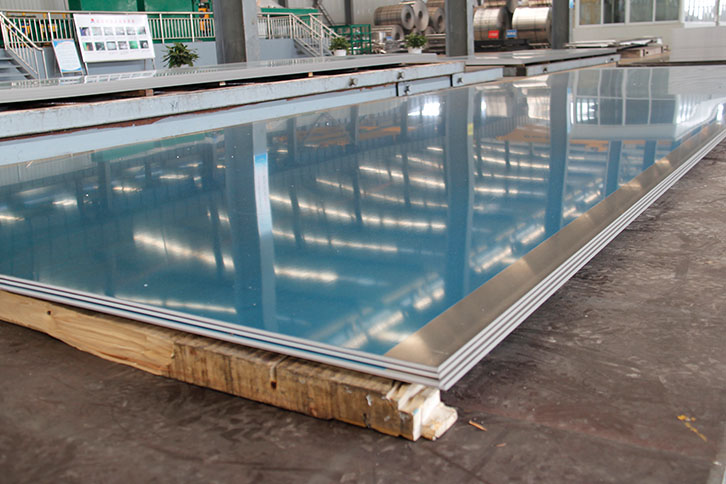
صفحه آلومینیومی 3003 (عرض تا 2650 میلی متر)
شکل پذیری خوب
مقاومت در برابر خوردگی عالی
به طور گسترده برای سیلوهای کوچک تا متوسط استفاده می شود
صفحه آلومینیومی 5754/5083 (ضخامت 4-25 میلی متر)
استحکام بالاتر
مقاومت در برابر خوردگی عالی
مناسب fیا سیلوهای آلومینیومی بزرگ و محیط های سخت
این آلیاژها تعادل عالی بین استحکام، دوام و عملکرد طولانی مدت ارائه می دهند.
محدوده ضخامت صفحه آلومینیومی معمولی برای سیلوها (تجربه در صنعت)
از استانداردهای صنعت و عملکرد مهندسی، ضخامت صفحه آلومینیومی برای سیلوها معمولاً در محدوده های زیر قرار می گیرد:
سیلوهای آلومینیومی کوچک:تقریباً 3-6 میلی متر
سیلوهای آلومینیومی متوسط:تقریباً 4-8 میلی متر
سیلوهای آلومینیومی بزرگ:تقریبا 6-10 میلی متر
ضخامت نهایی همیشه باید بر اساس موارد زیر تایید شود:
ابعاد سیلو
مواد ذخیره شده
استانداردهای طراحی
عوامل ایمنی
به همین دلیل است که تامین کنندگان حرفه ای معمولا ارائه می دهندتوصیه های ضخامت مبتنی بر پروژه به جای مقادیر ثابت.
سیلوهای آلومینیوم در مقابل سیلوهای فولادی: چرا آلومینیوم عملکرد بهتری دارد
در مقایسه با سیلوهای فولادی سنتی، سیلوهای آلومینیومی چندین مزیت دارند:
سبک اما قوی
Aluminum has a high strength-to-weight ratio, reducing overall structural weight while maintaining safety.
مقاومت در برابر خوردگی برتر
بر خلاف فولاد، آلومینیوم به پوشش های ضد خوردگی سنگین نیاز ندارد و هزینه های نگهداری طولانی مدت را کاهش می دهد.
عمر سرویس طولانی تر
سیلوهای آلومینیومی عملکرد پایدار خود را در طول چندین دهه، حتی در محیط های سخت حفظ می کنند.
نصب راحت تر
وزن کاهش یافته حمل و نقل و نصب در محل را آسان می کند.
انتخاب تامین کننده صفحه آلومینیومی مناسب برای پروژه های سیلو
انتخاب ضخامت صفحه آلومینیومی صحیح الف استتصمیم فنی، فقط یک مسئله قیمت گذاری نیست.
یک تامین کننده قابل اعتماد صفحه آلومینیومی باید ارائه دهد:
پشتیبانی مهندسی برای انتخاب ضخامت
کیفیت آلیاژ پایدار
اندازه و ضخامت صفحه سفارشی
عملکرد مکانیکی ثابت
به عنوان یک تامین کننده با تجربه ورق آلومینیومی، ما ارائه می دهیمصفحات آلومینیومی با کیفیت بالا که به طور خاص برای کاربردهای سیلو آلومینیومی طراحی شده اند، پشتیبانی از پروژه ها از انتخاب مواد تا نصب نهایی.
نتیجه گیری
بنابراین،چه ضخامت صفحه آلومینیومی برای سیلو استفاده می شود؟
پاسخ به اندازه سیلو، مواد ذخیره شده، شرایط بارگیری و انتخاب آلیاژ بستگی دارد.
سیلوهای آلومینیومی با ترکیب طراحی ضخامت مناسب با آلیاژ آلومینیوم مناسب، ایمنی، دوام و ارزش بلندمدت فوقالعادهای را ارائه میکنند که ورقهای آلومینیومی را به گزینهای ایدهآل برای ساخت سیلو تبدیل میکند.
اگر در حال برنامه ریزی یک پروژه سیلو آلومینیومی هستید، برای توصیه های مواد حرفه ای و پشتیبانی فنی با ما تماس بگیرید
.